Lenny Alvarez

Film photographer. I build the tools I wanted to exist.

I study Industrial Engineering at Tel Aviv University and I shoot film. Everything here I built end to end. My photography lives at lennyal.com.

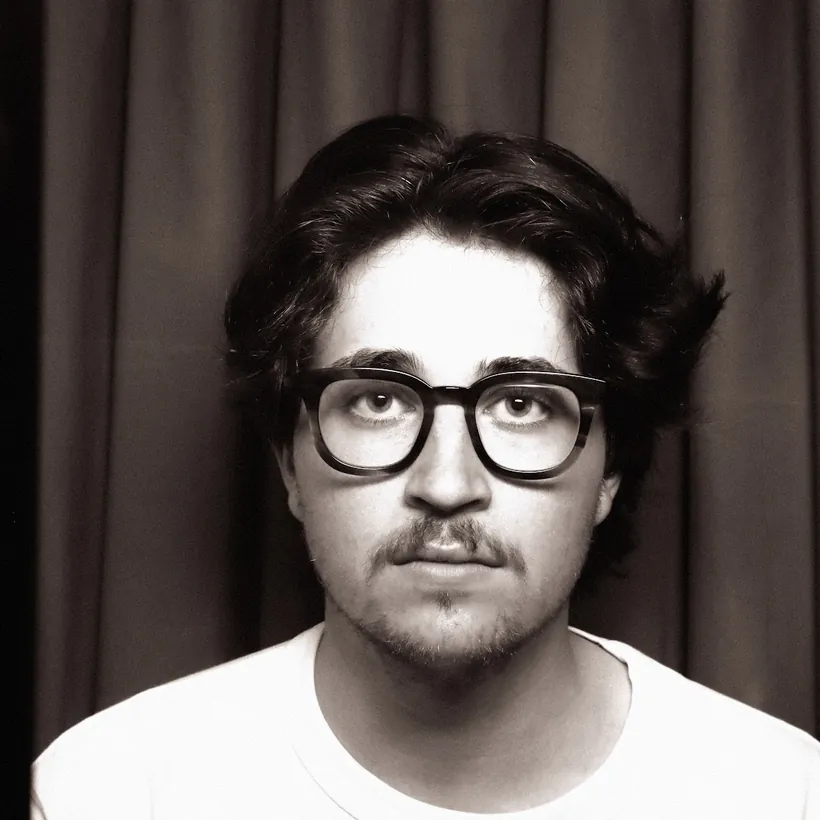
Portrait of Lenny Alvarez
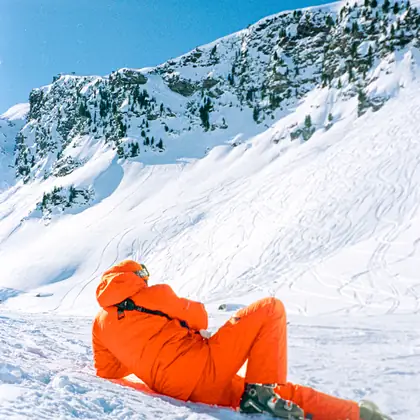
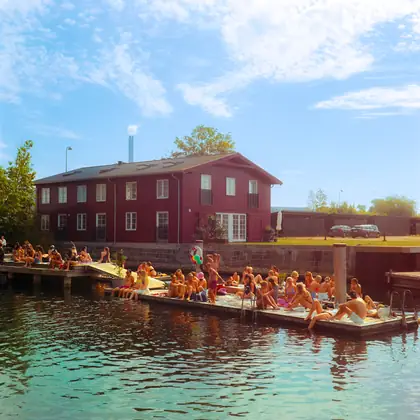
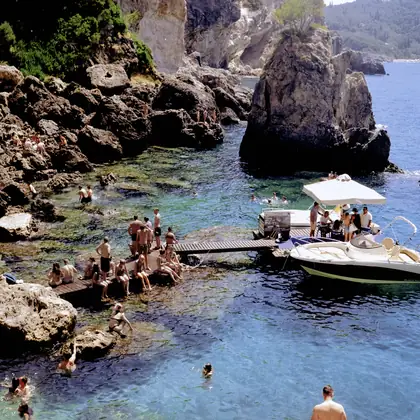
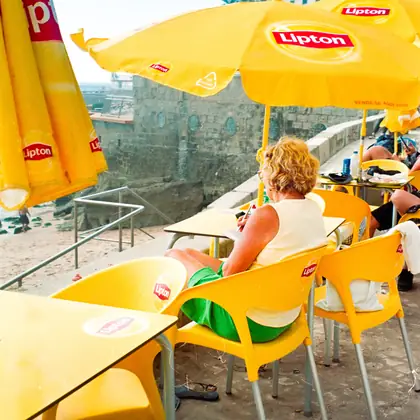
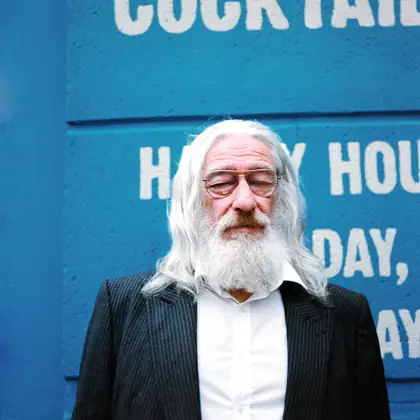
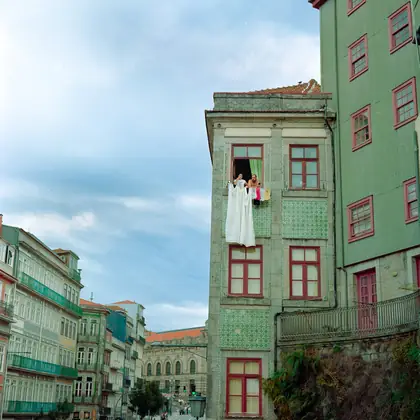
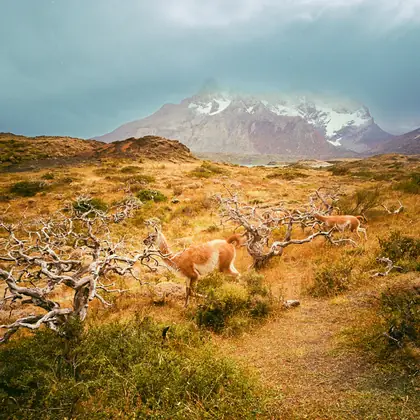
Figure in an orange suit lying on snow Swimmers on a jetty in Copenhagen Turquoise cove in Corfu Yellow parasols and chairs at a cafe Man with a white beard against a blue Cocktails wall Pastel buildings on a hill in Porto Guanacos in Torres del Paine
My own film photographs. The same eye goes into everything below. See more at lennyal.com ↗

Work

five projects · 2025–2026
001 TestFlight beta

HALIGHT

One iPhone app that replaces five tools film photographers carry.

Native iOS
2026
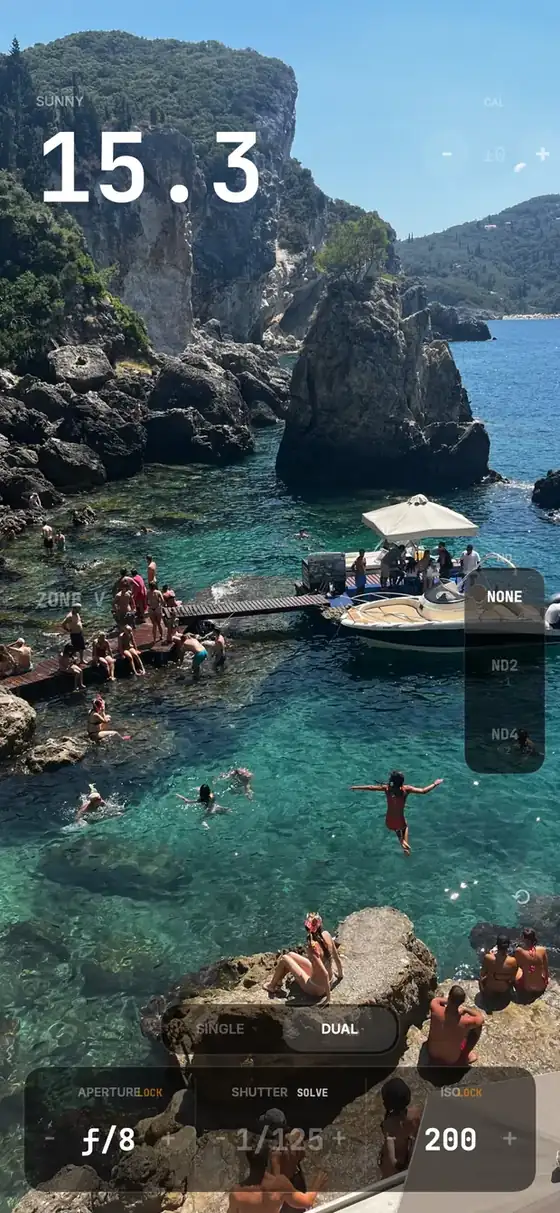
HALIGHT light meter reading EV 15.3 over a live scene
Light meter
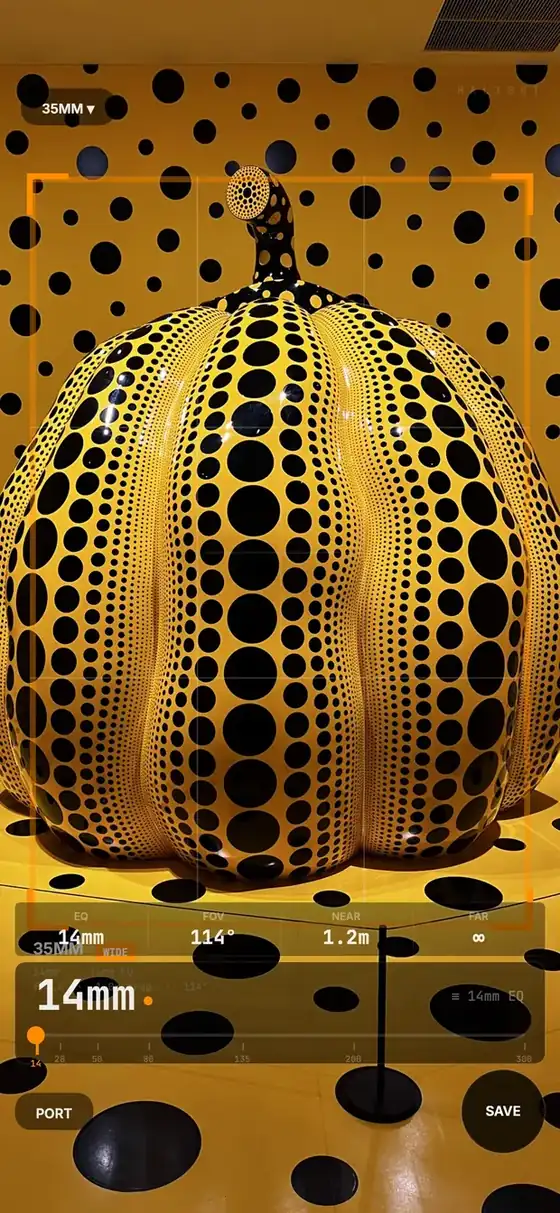
HALIGHT depth of field calculator showing a 14mm equivalent view
Depth of field
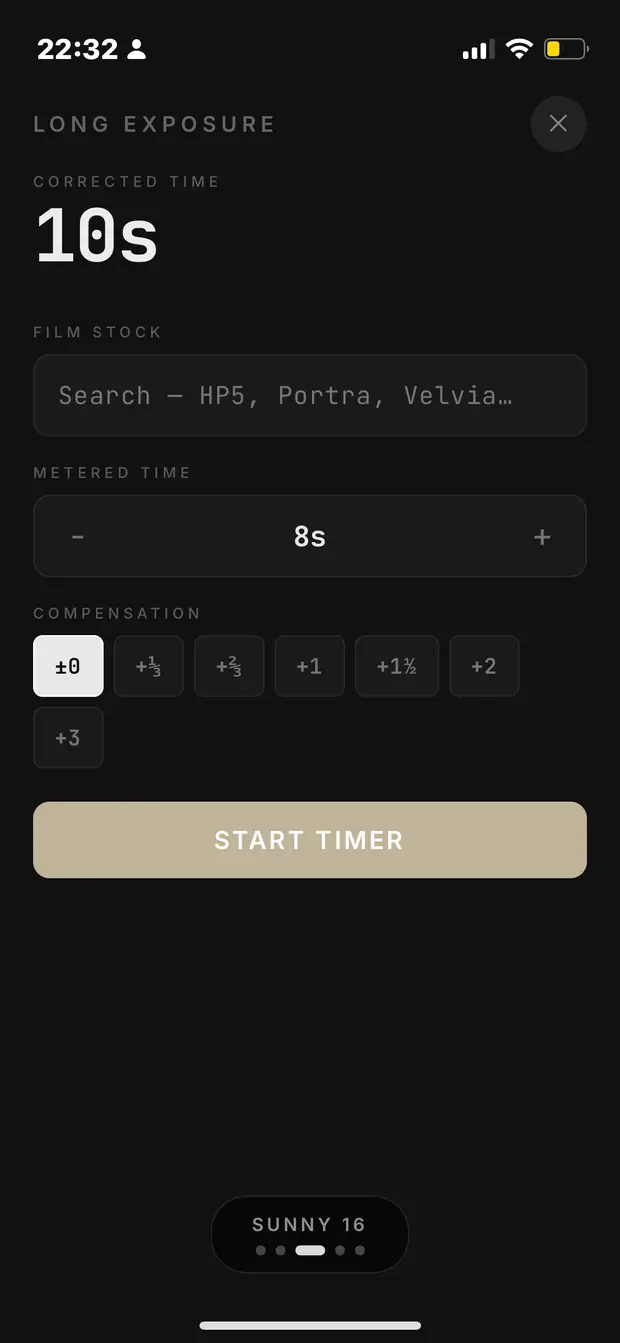
HALIGHT long exposure screen with film stock selection
Long exposure
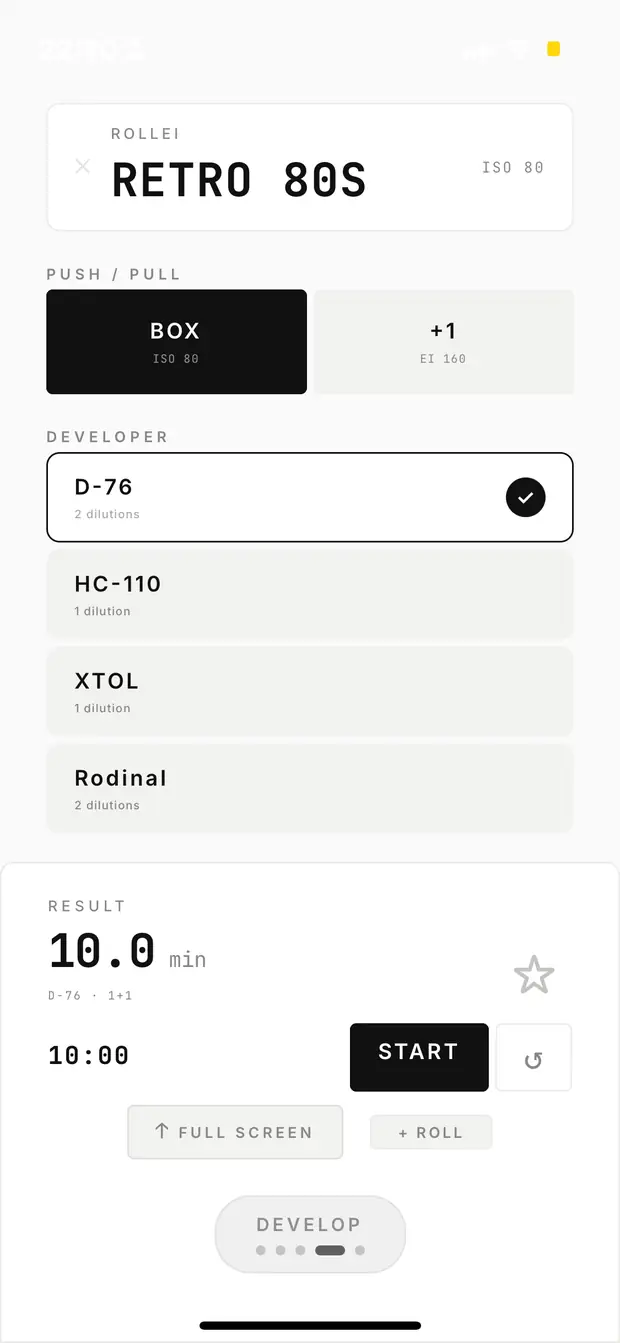
HALIGHT darkroom development timer
Darkroom timer
Details
The idea

Shooting film means carrying a light meter and four paper reference cards. Depth of field, Sunny 16, long exposures, darkroom timing. They get lost, wet, and left at home.

The call

No tabs, no menus. Five modules on one horizontal swipe, so changing tool feels like changing a setting on a camera body. Your hands already know the movement.

Where it is

In TestFlight beta, running on four different iPhone models in real hands. Around 120 film stocks loaded with their own exposure data.
React Native + ExpoTypeScript, strict Native modules in Swift and Objective-C Meters the real scene, maps it to the Ansel Adams zone system LiDAR for focus distance Live Activities, so the darkroom timer runs on the lock screen
002 Live

Every Film Ever

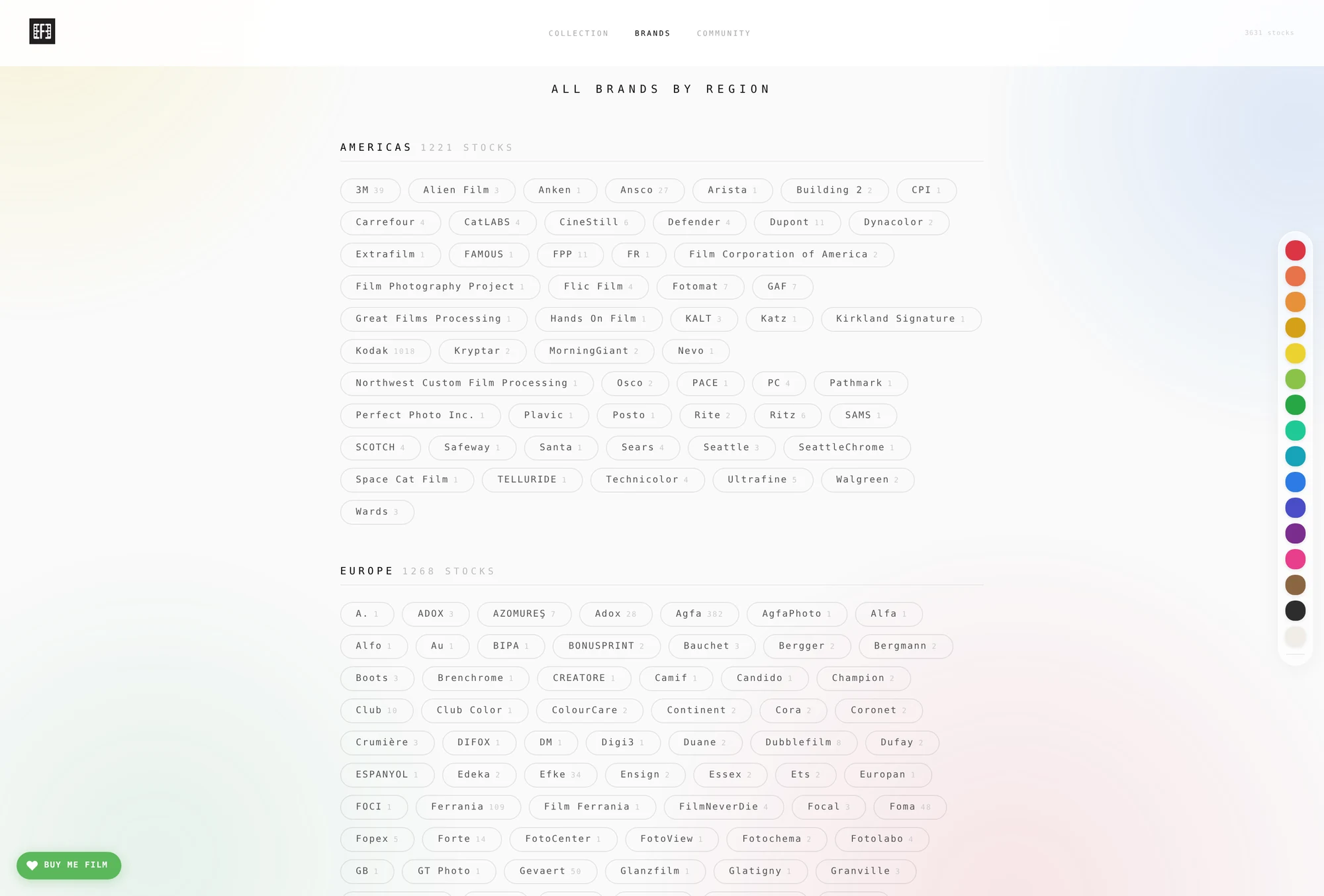
The biggest film index on the web. 3,631 stocks, most of them long dead.

Built and run by me
2026
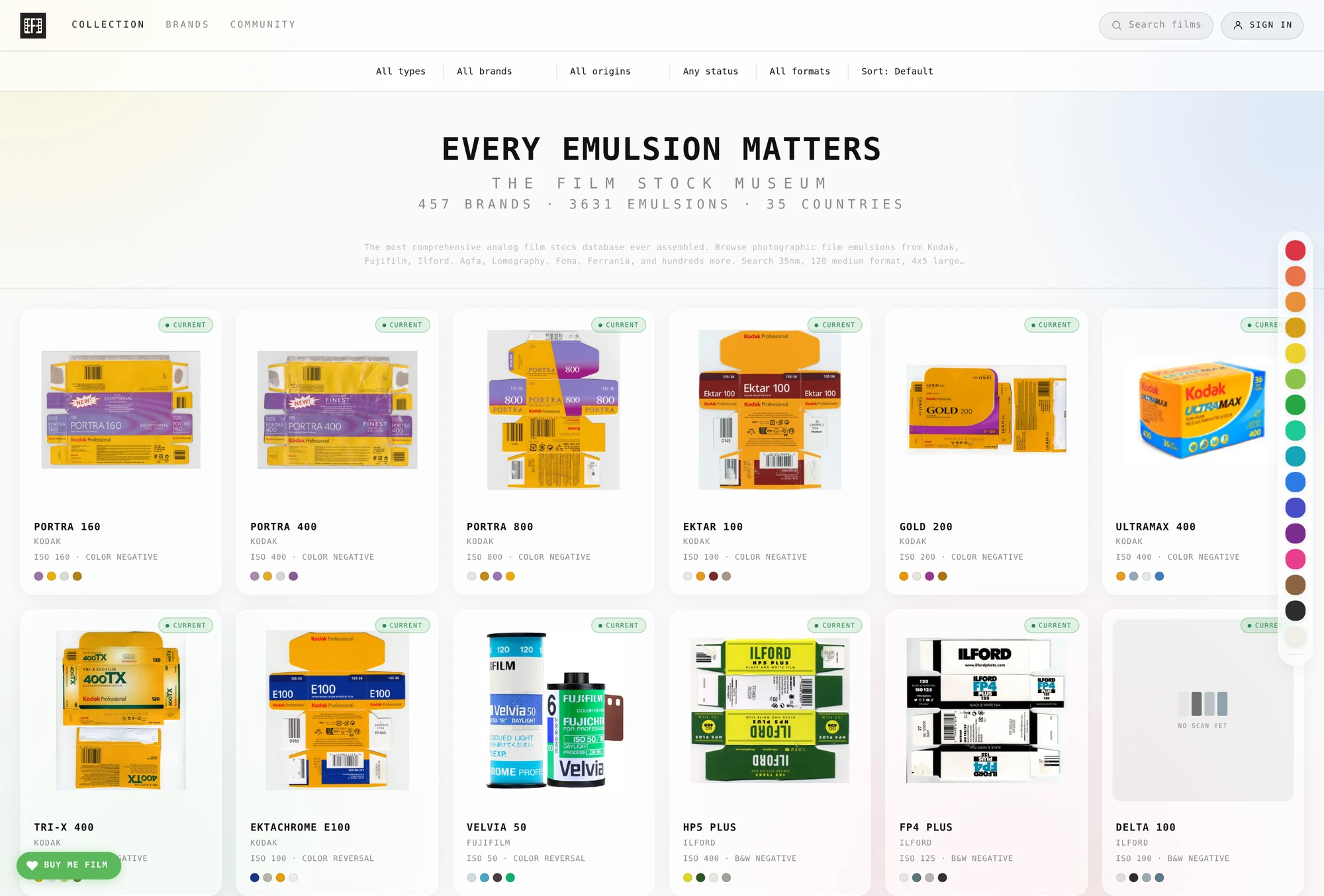
Every Film Ever collection page showing packaging photographs of Portra, Ektar, Gold, Tri-X and Velvia beside a colour filter rail
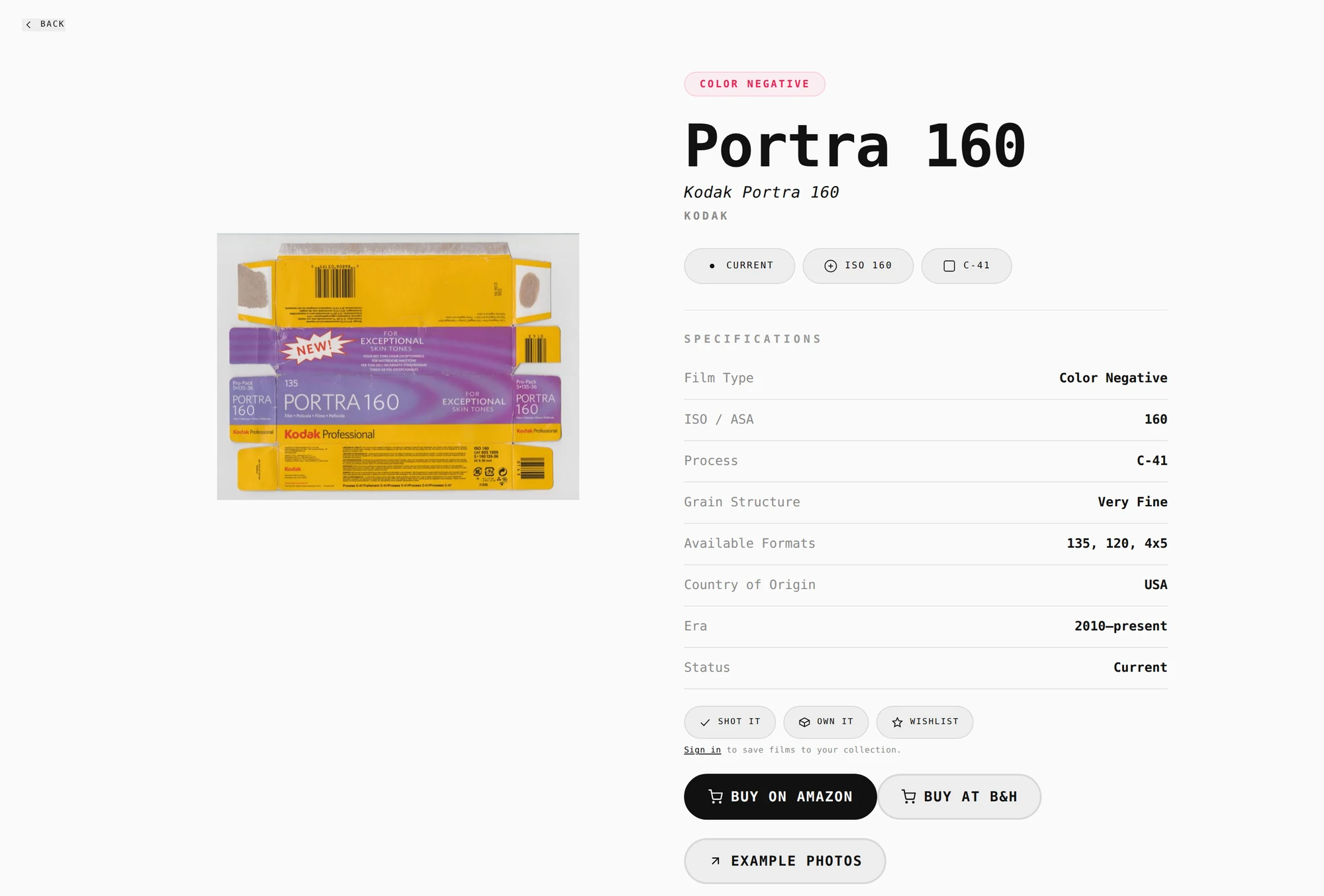
Kodak Portra 160 page with packaging photograph, film type, ISO, process, grain, formats, country and era
All brands by region page listing hundreds of manufacturers with their stock counts
0
film stocks
0
brands
0
countries
0
pages on Google
Details
The idea

Film stocks live in forums, dead blogs and memory. Discontinued ones are barely recorded at all. There was nowhere to just look one up.

The call

Photographers remember a film by its box. So a script pulled the four main colours out of every packaging photo, and the whole catalogue can be filtered by colour.

Where it is

Live and used. Every film has its own page, so searching one on Google actually finds it. That is 4,025 generated pages.

everyfilmever.online go and look, it is live
One HTML file, 4.1MB, no framework and no build step Python script that downloaded every box photo K-means colour clustering, ignoring white and black pixels 4,025 static pages built for search engines ISO, process, formats, grain, country, era and history per film Accounts, collections and community reviews
003 In progress

MathMate

A maths tutor for Mac that runs fully offline.

Local AI model
2026
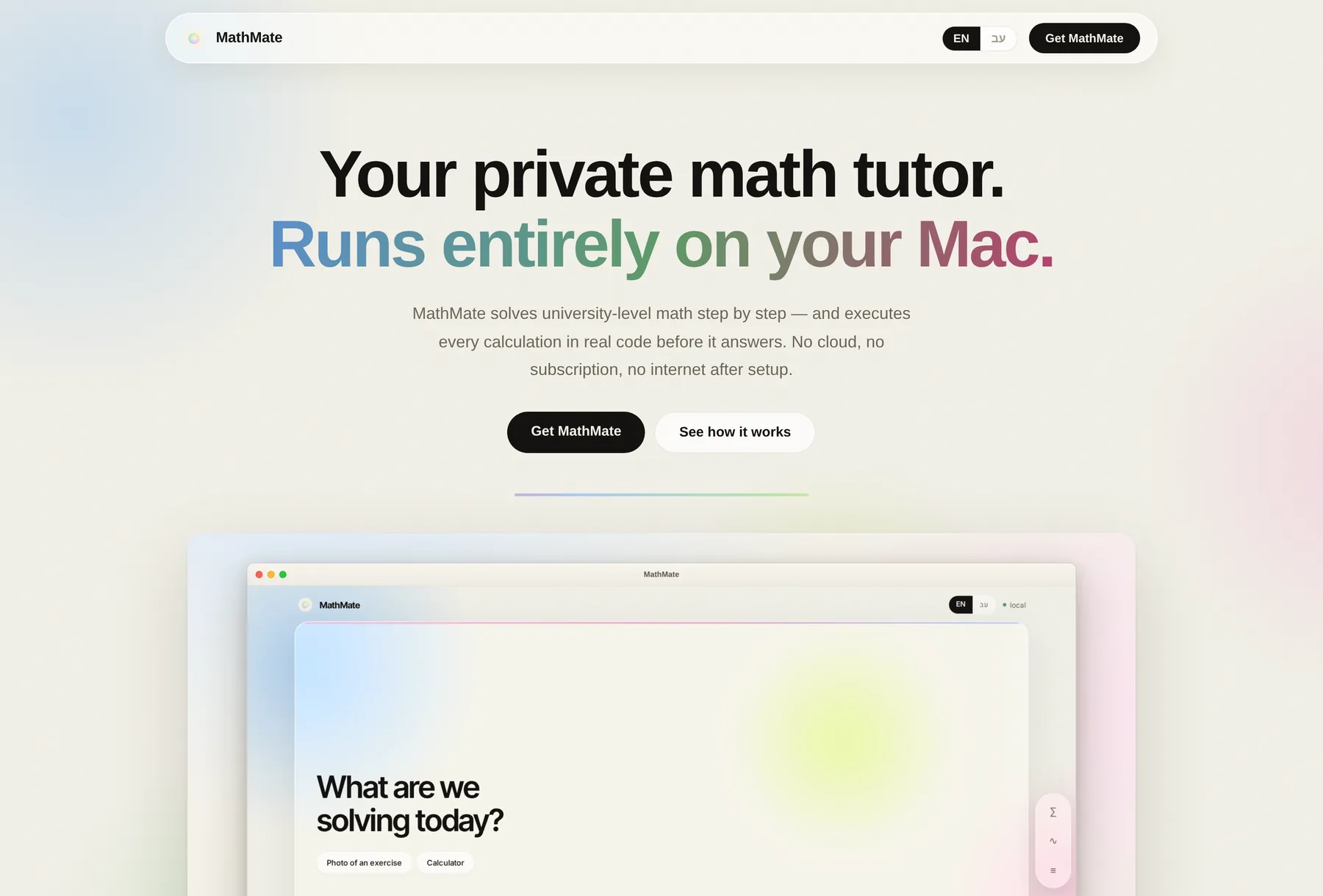
MathMate landing page reading Your private math tutor, runs entirely on your Mac
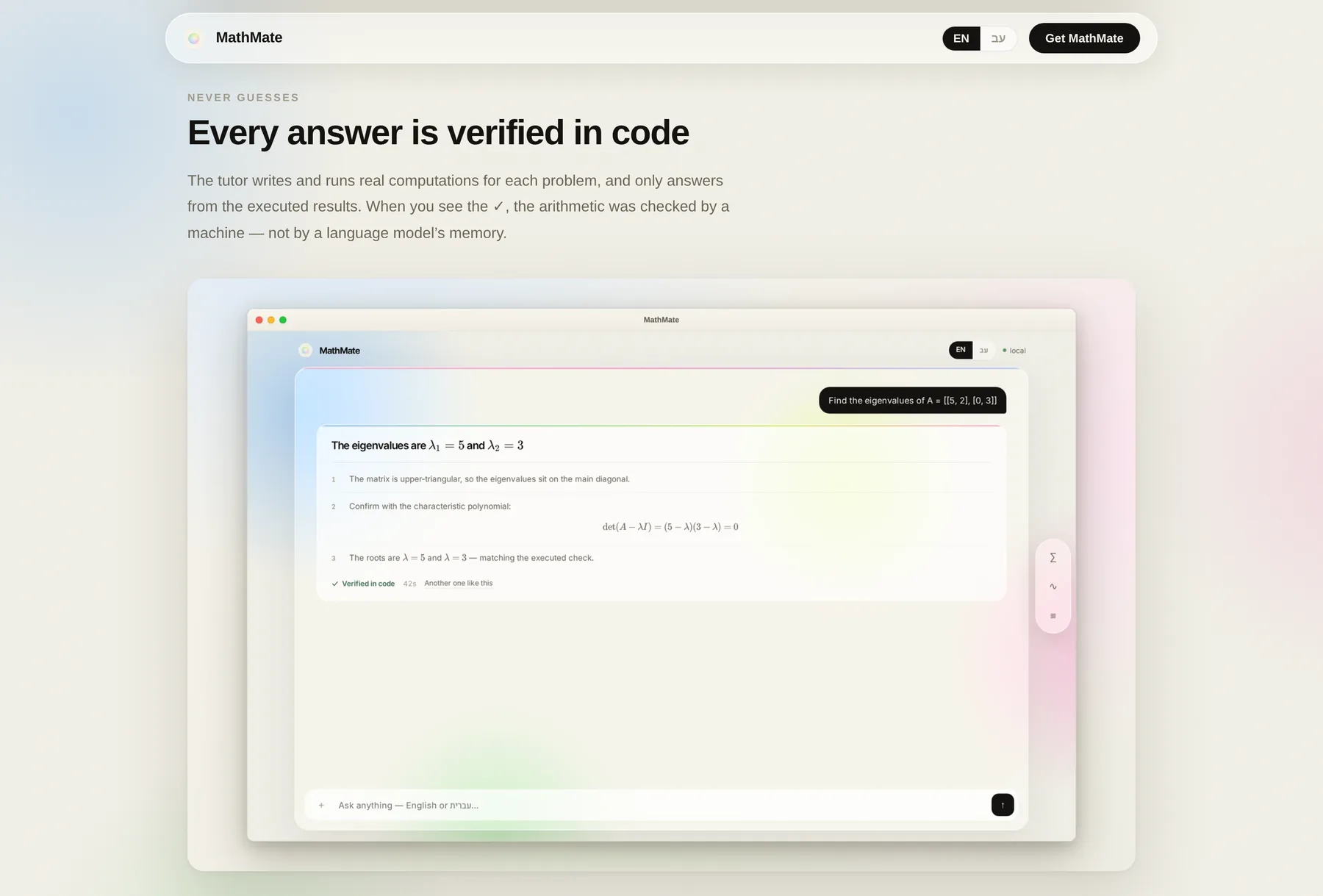
Section showing eigenvalues solved step by step and checked by executed code
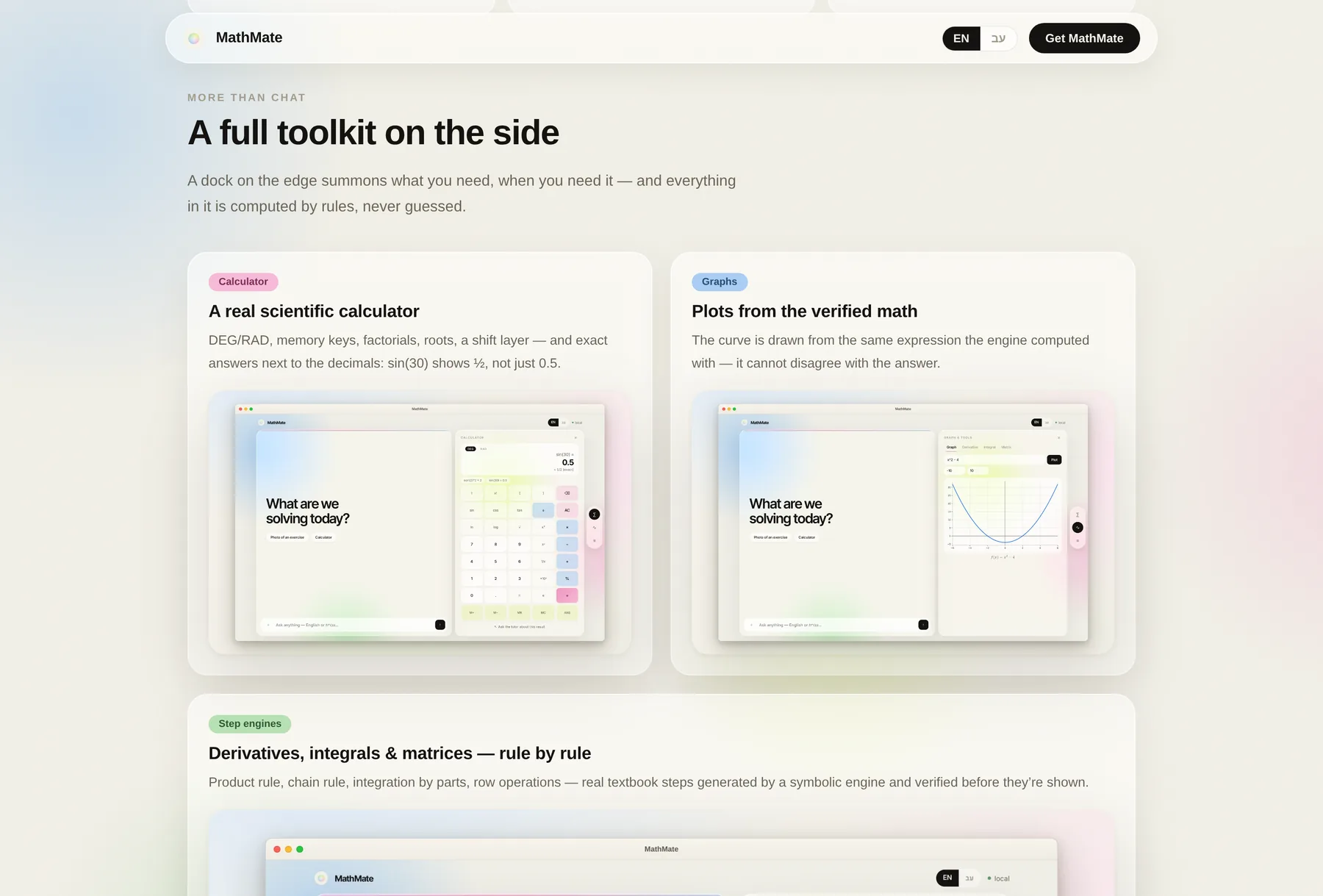
Feature cards for a scientific calculator, plots from verified maths, and step by step derivatives and matrices
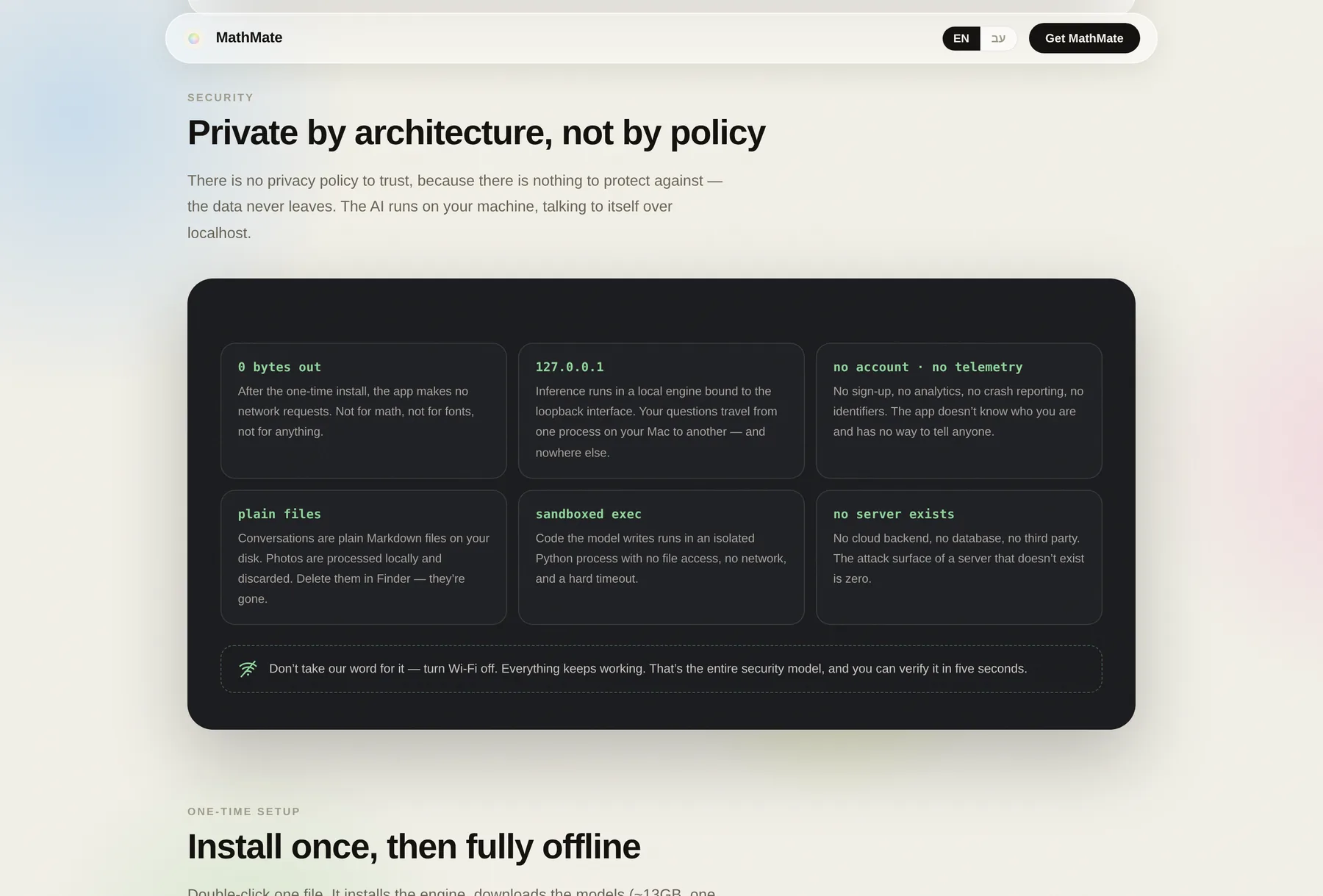
Security section listing zero bytes out, localhost inference, no account, plain files and sandboxed execution
Details
The idea

AI models get arithmetic wrong and say it with total confidence. Revising for an exam, a wrong number stated calmly is worse than no help at all.

The call

The AI explains, it never calculates. When a number is needed it writes a small program, the app runs it in a sandbox, and only the real result is shown.

Where it is

I use it for my own coursework. A 14 billion parameter model runs on the laptop itself, with no internet and no API key.

Qwen 2.5 14B running locally through Ollama Sandboxed Python for every calculation A tick mark in the interface when real code ran Hebrew and English, right to left Reads a photo of a handwritten exercise, on device
004 Shipped

PhotoAgent

A film scan arrives with nothing attached to it. This gives it everything.

Three AI models, on device
2026
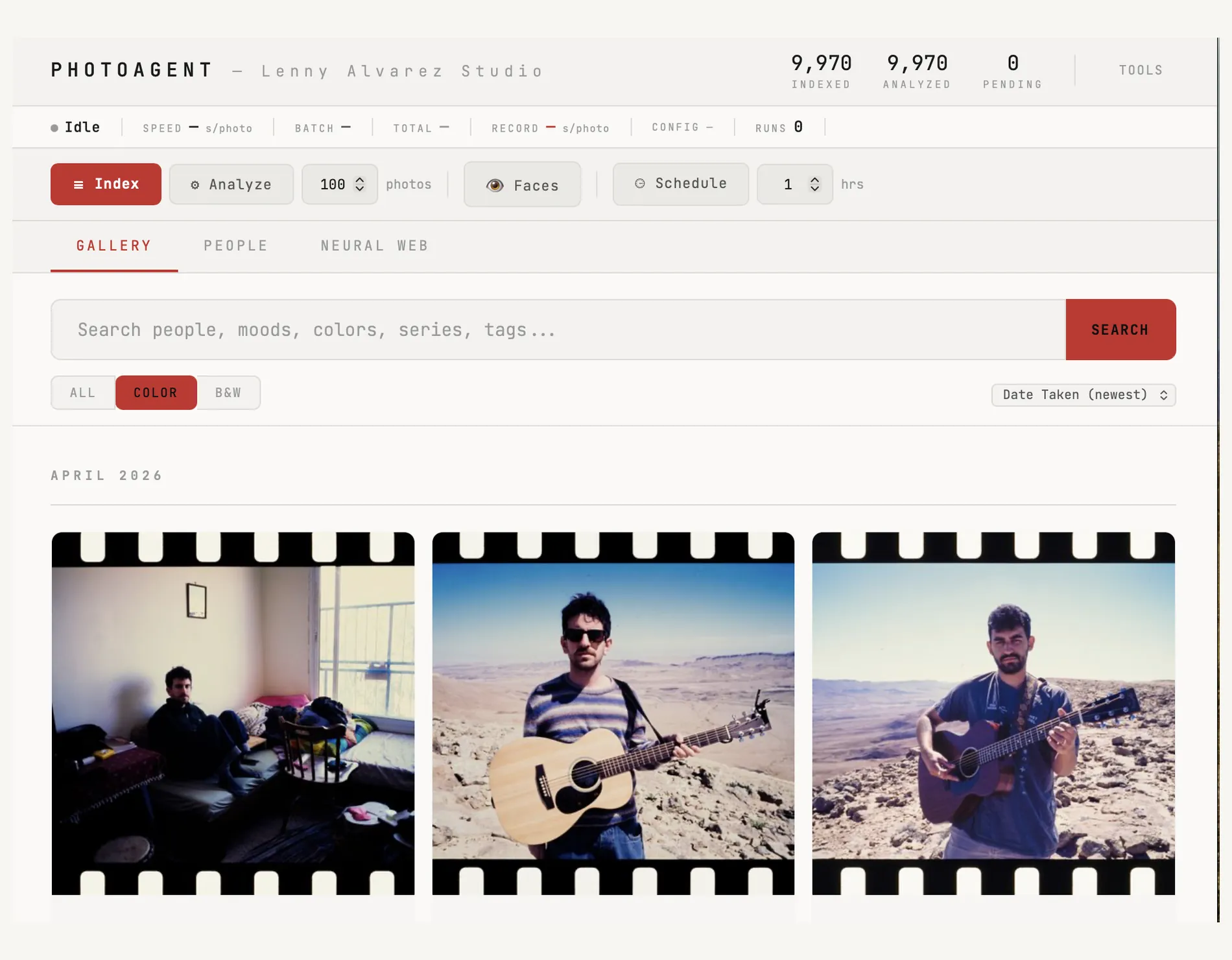
PhotoAgent gallery tab showing a search bar, colour and black and white filters, and a grid of scanned film frames grouped by month
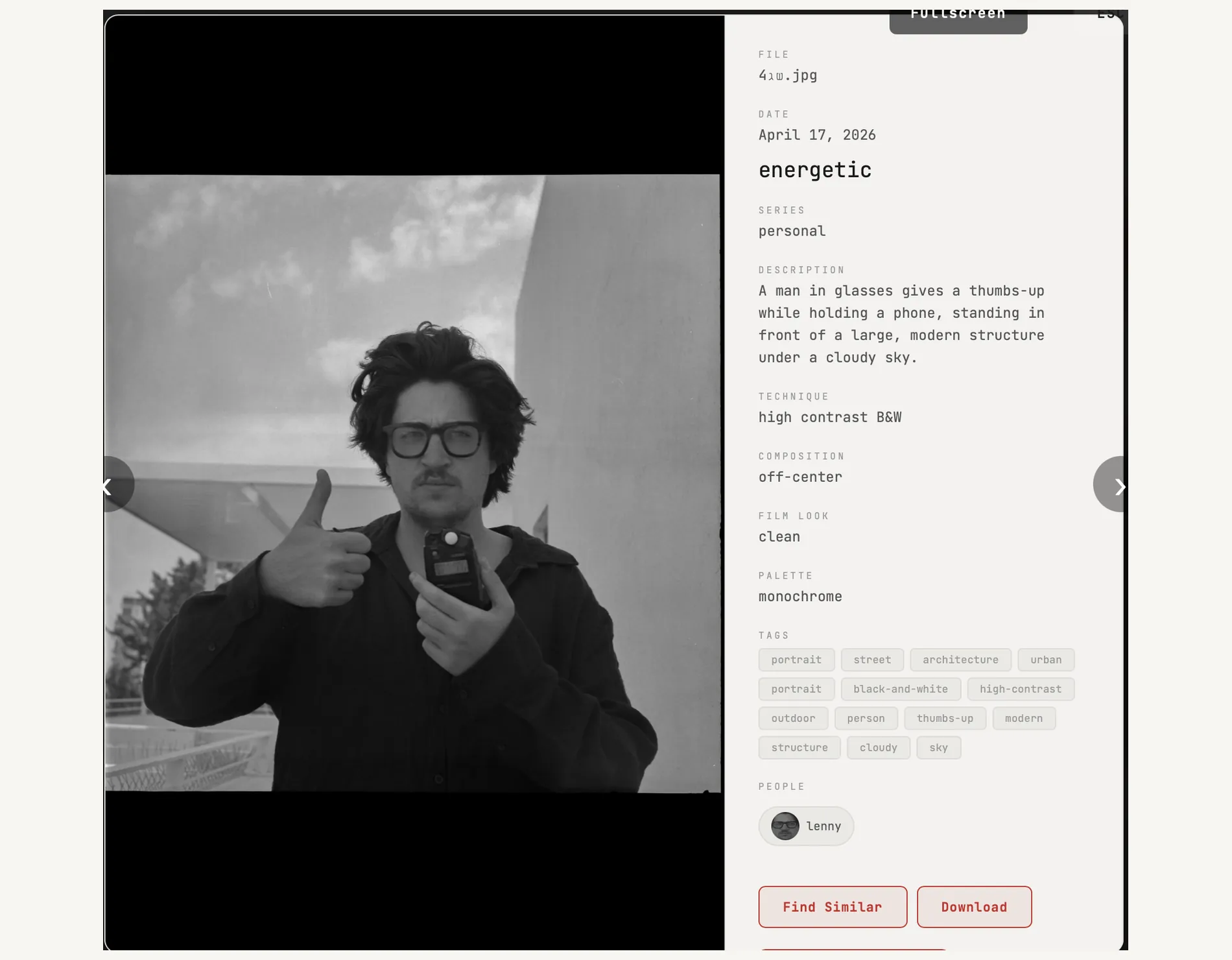
Photo detail view with a portrait on the left and a sidebar listing file, date, mood energetic, series, description, technique, composition, film look, palette and thirteen tags
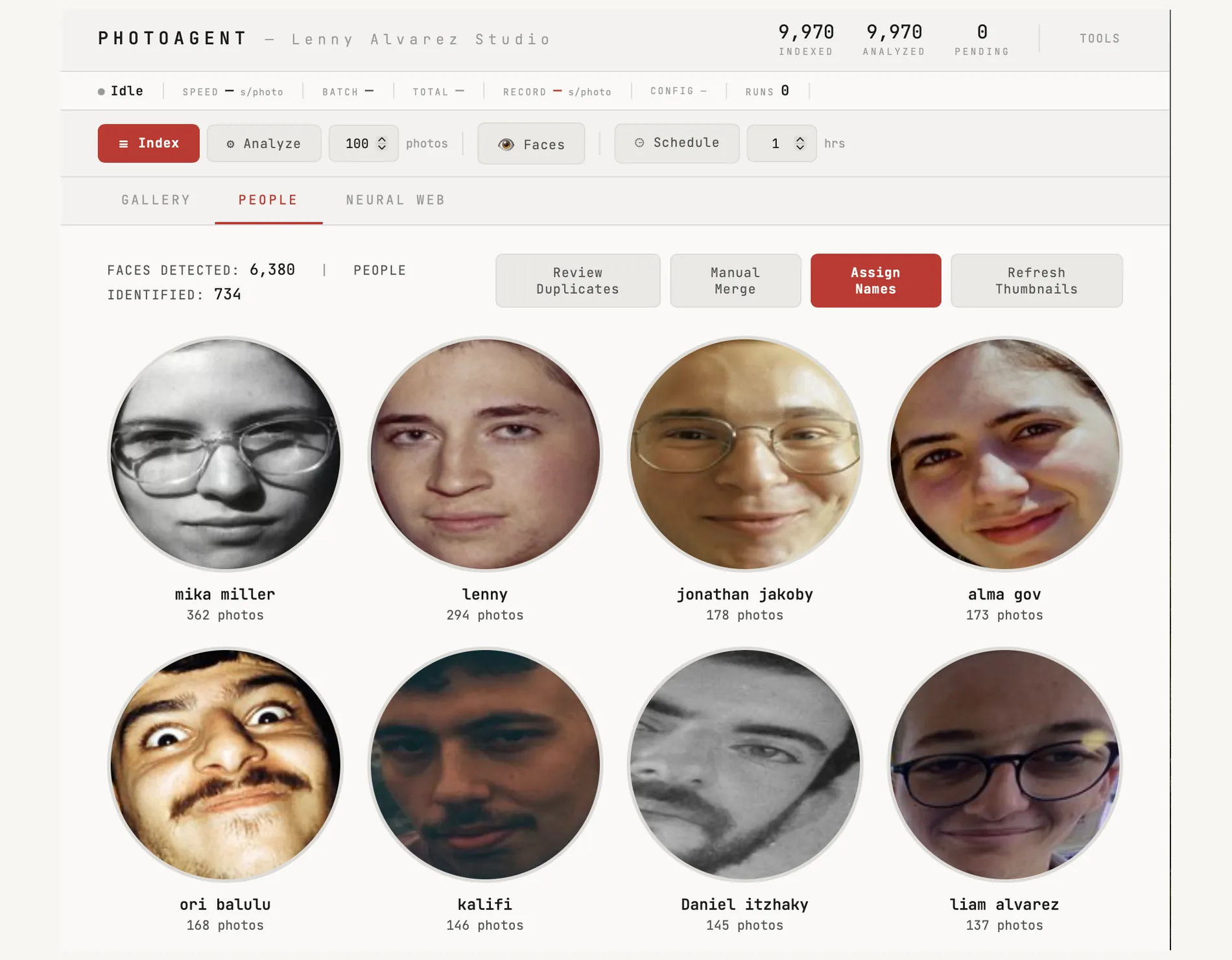
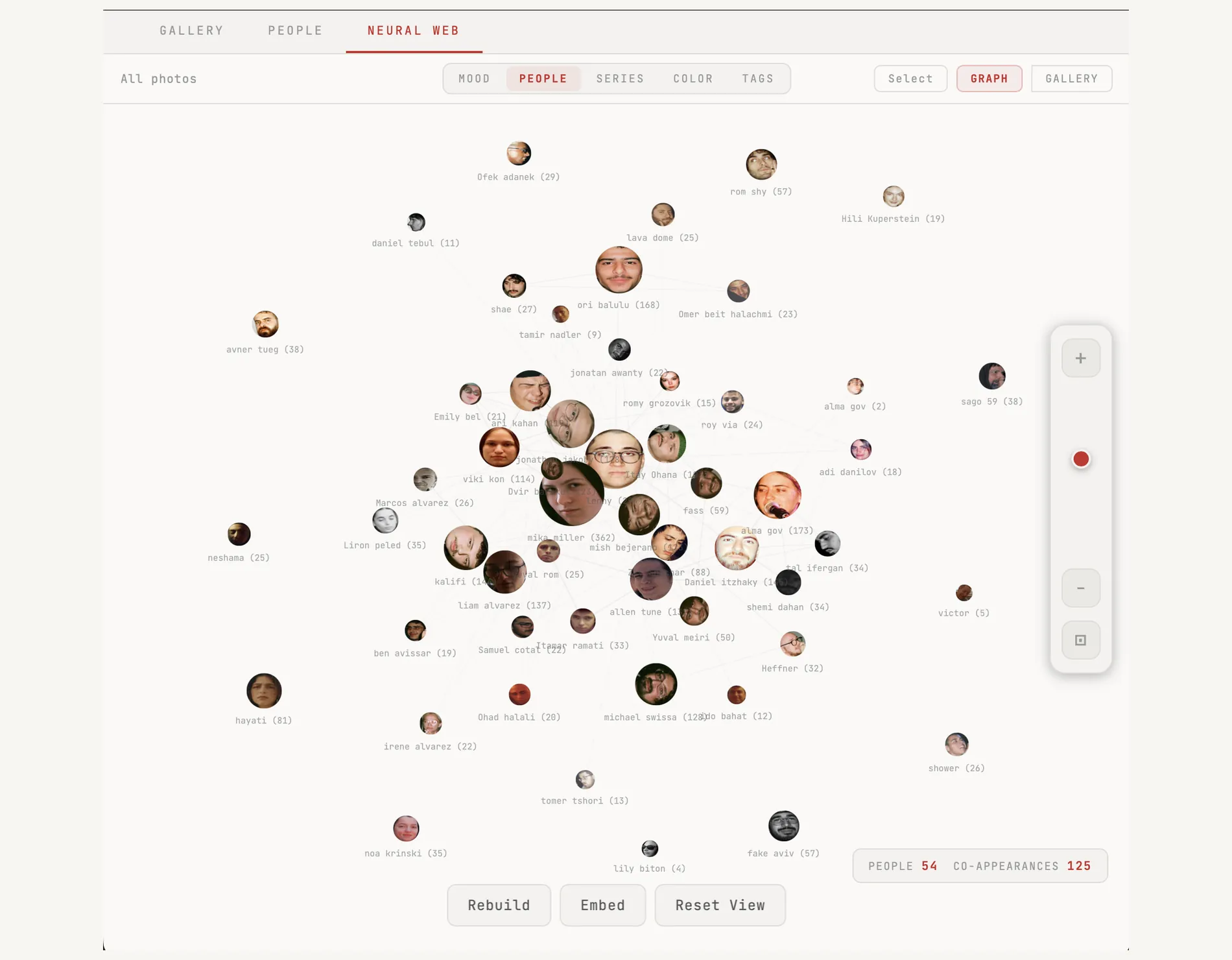
People tab showing circular face thumbnails with names and photo counts, mika miller 362 photos, lenny 294, jonathan jakoby 178
Neural web on the people lens, a social graph of faces connected by how often they appear in the same photograph
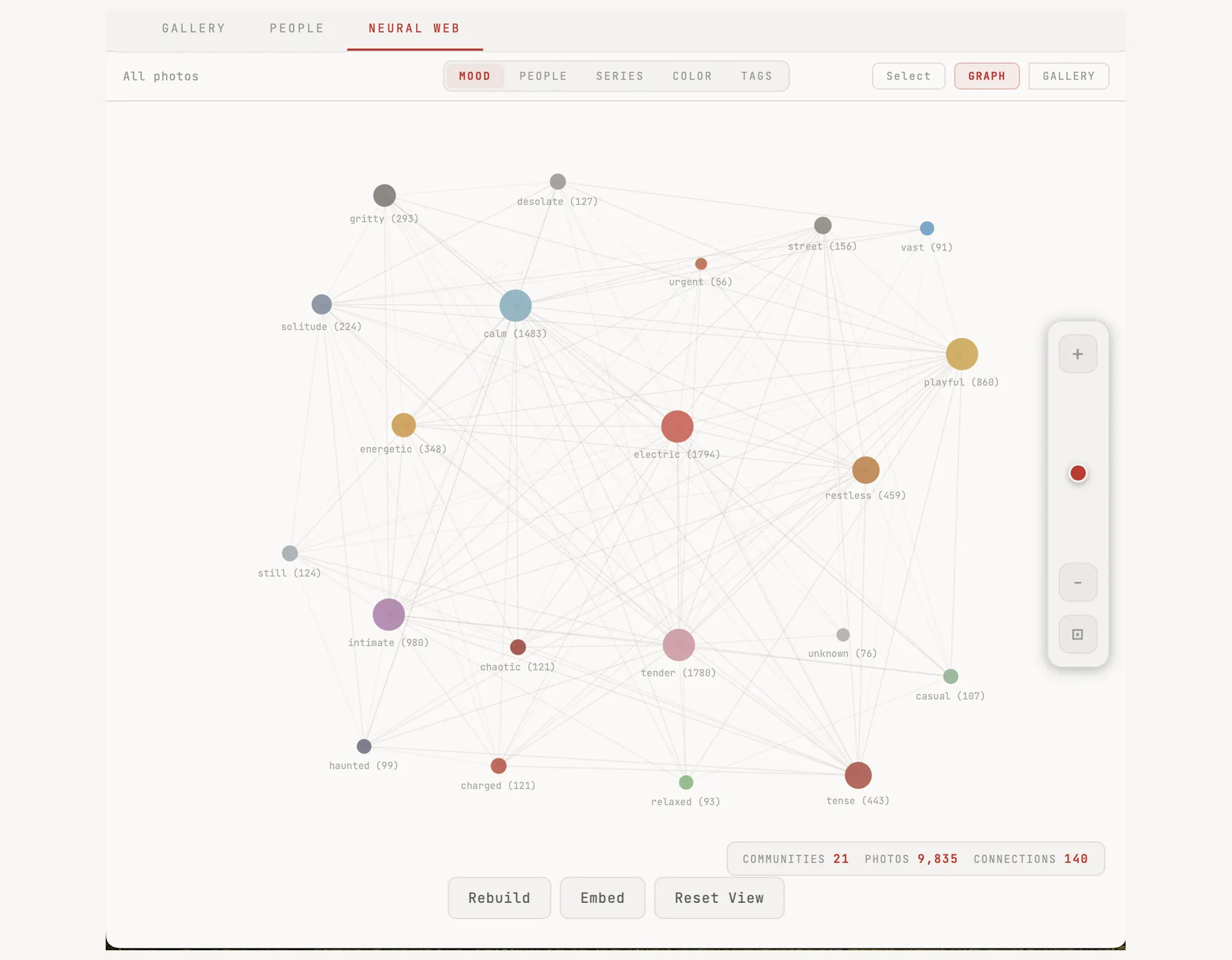
Neural web on the mood lens showing labelled clusters such as electric 1794, tender 1780 and calm 1483
0
photos read
0
faces found
0
people, unprompted
0
bytes uploaded
Details
01Point it at a folder. It reads every file on your own machine. Nothing is uploaded and there is no account.
02It looks at each photograph. Writes what it sees, picks a mood, adds 15 to 25 tags, finds every face and groups the same face together.
03Then you can just ask. Type it loosely, the way you actually remember it, and the AI turns that into the tags it already wrote. Google Photos guesses at this. Here it lands on the frame.
The idea

Apple Photos and Lightroom sort by date, place and camera. A scan has none of those, so every tool you already own is useless on a film archive.

The call

Index the one thing a scan does have: the picture. Three models run on your laptop, one to describe, one to recognise faces, one to measure what looks alike.

Where it is

Shipped as a Mac app to other photographers. It read my 9,970 scans and sorted 6,380 faces into 734 people without being told who anyone was.

Nothing leaves the machine, no account and no monthly fee Name a face once and it is found in every other photo of them Those names survive a full re-scan, because they attach to faces and not to groups Tuned for film specifically: grainy, dark, pushed, scanned A 5,000 photo archive takes four to eight hours, once
005 Prototype

Film E-Ink Frame

A frame you slide a negative into. It shows the picture.

Designed, printed, being wired
2026
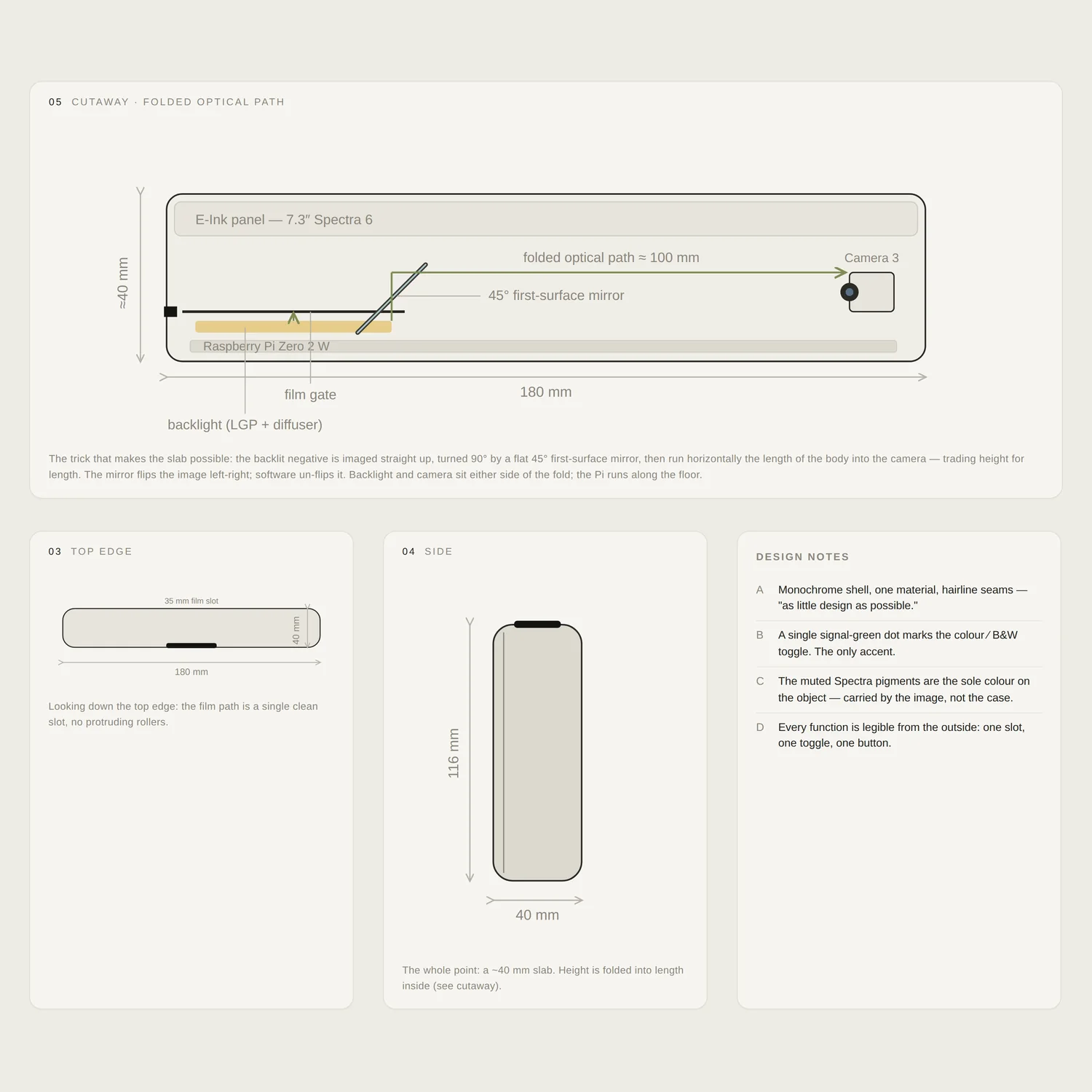
Design sheet showing a cutaway of the folded optical path with the 45 degree mirror, a top edge view of the 35mm film slot, a side elevation at 40mm thick, and design notes
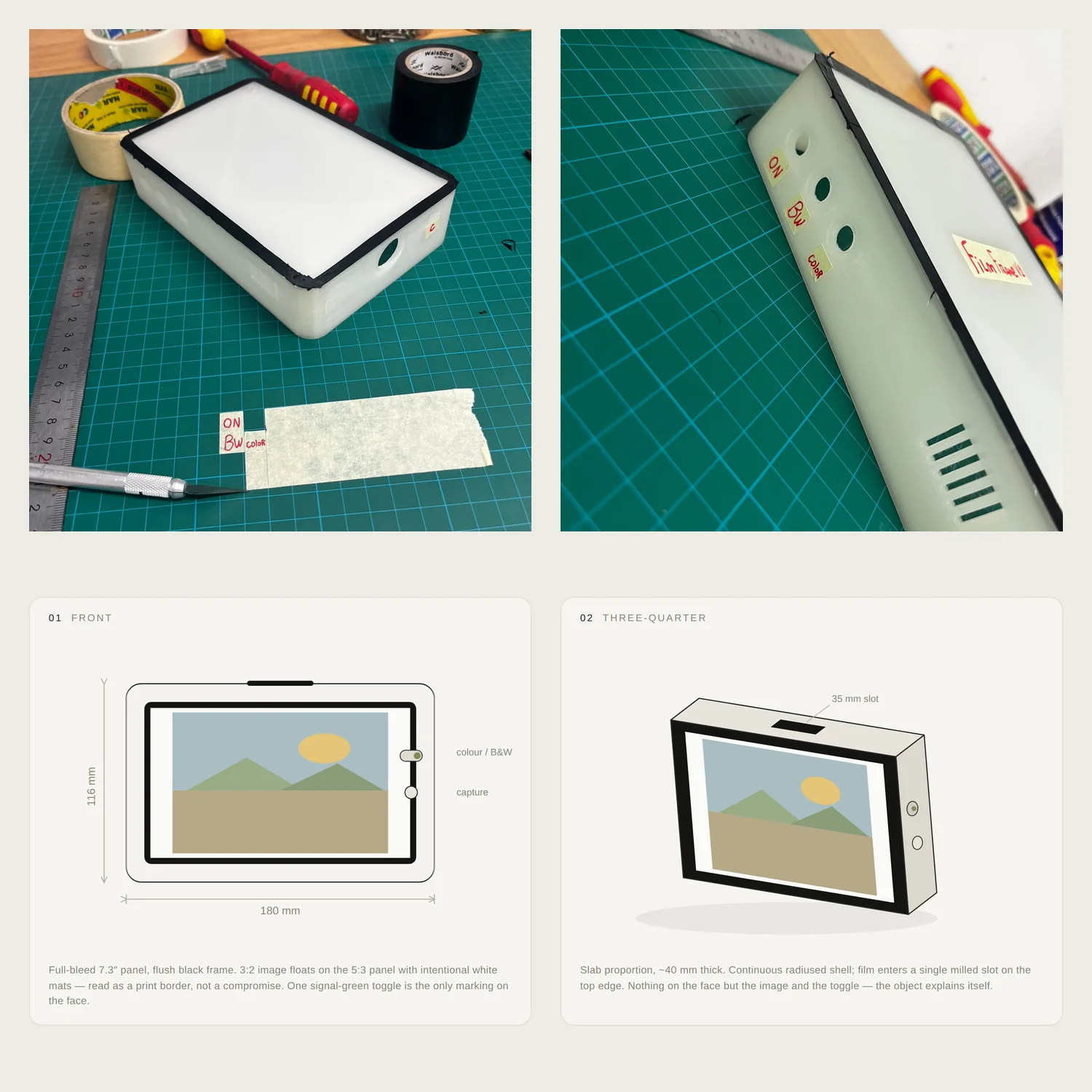
Four panel collage: two workbench photographs of the 3D printed body with a diffuser panel and hand written ON, BW and COLOR labels, beside the front elevation and three-quarter drawings of the same object
Details
The idea

A negative holds a picture nobody can see without a lab or a scanner. Prints cost money and time, so most rolls stay in a sleeve in a drawer.

The call

The screen is only 800×480, which is tiny. So no expensive macro optics are needed. An ordinary camera module resolves 1.7 times more than the panel can show.

Where it is

Designed fully, first body printed and the buttons cut in. Electronics next. Parts come to $175 to $245.

Raspberry Pi Zero 2 WCamera Module 3 7.3″ Waveshare Spectra 6 colour e-paper A 45° mirror, folding a 15cm box into a 40mm slab Six colours only. Black, white, red, yellow, blue, green. No greys Holds the image with the power off, like a print

How I work

the short version

I make things because I want them to exist. It usually starts as an annoyance while I am shooting, or developing, or looking for something I cannot find, and then I cannot stop picturing the version that would actually work. So I build it. I move fast, I use AI to write a lot of the code, and I say that plainly, because the typing was never the hard part. Knowing what the thing should be, what to leave out, and where it falls apart in someone else's hands, that is the work. I would rather put a rough version in front of a real person this week than a perfect one in three months, and almost everything on this page got better because somebody used it and told me what was wrong.

Teaching

analog photography · since 2024

I teach analog photography with Jonathan Jakoby. We started in July 2024, after running our own film development and scanning lab, because the people asking us questions had nowhere to go and learn the whole process properly.

The point is to make the analog community here deeper, not to sell it another service. Around two thousand people have now developed their first roll with their own hands.

20+
sold-out sessions
~2,000
people taught
3.5 h
shoot to scan
2024–
running since
Why

A film community only grows if people can do the whole process themselves, not just buy it. Teaching came out of the lab, where we watched the same questions come back and realised the answer was not another service.

A session

About three and a half hours. Everyone shoots, then hand-develops their own roll in the room, then leaves with scans from that same session. Nobody watches a demonstration, everybody does it.

The course

Four sessions, in order. Loading and operating a camera. Exposure and composition. A shooting session. Hand development. Then two ways to scan, and editing. By the end a person can run a roll start to finish without us.

Where it has run

Matmon in Tel Aviv on and off since the start, HaMiffal in Jerusalem, and anywhere else with a room. The setup is fully mobile, so there is no fixed venue.

About

bio & contact
Portrait of Lenny Alvarez
Lenny Alvarez · Tel Aviv

I shoot film. Everything on this page started as something that annoyed me while doing it. A meter I did not want to carry, a film I could not look up, an archive of scans with nothing to sort them by, a shelf of negatives nobody sees. I built the tool I wanted to exist, then kept going until it worked for other people too.

I study Industrial Engineering at Tel Aviv University. My photography has been featured in PhotoVogue and covered by Haaretz, and I have taught around two thousand people to develop their own film. I am looking for work where an idea has to become a finished object, and where the person deciding what it should be also builds it.

Studying
Industrial Engineering, Tel Aviv University
Service
IDF Spokesperson's Unit
© Lenny Alvarez 2026lennyal.com